
Blog
Why Your Peony Didn’t Bloom This Year (And How to Fix It)

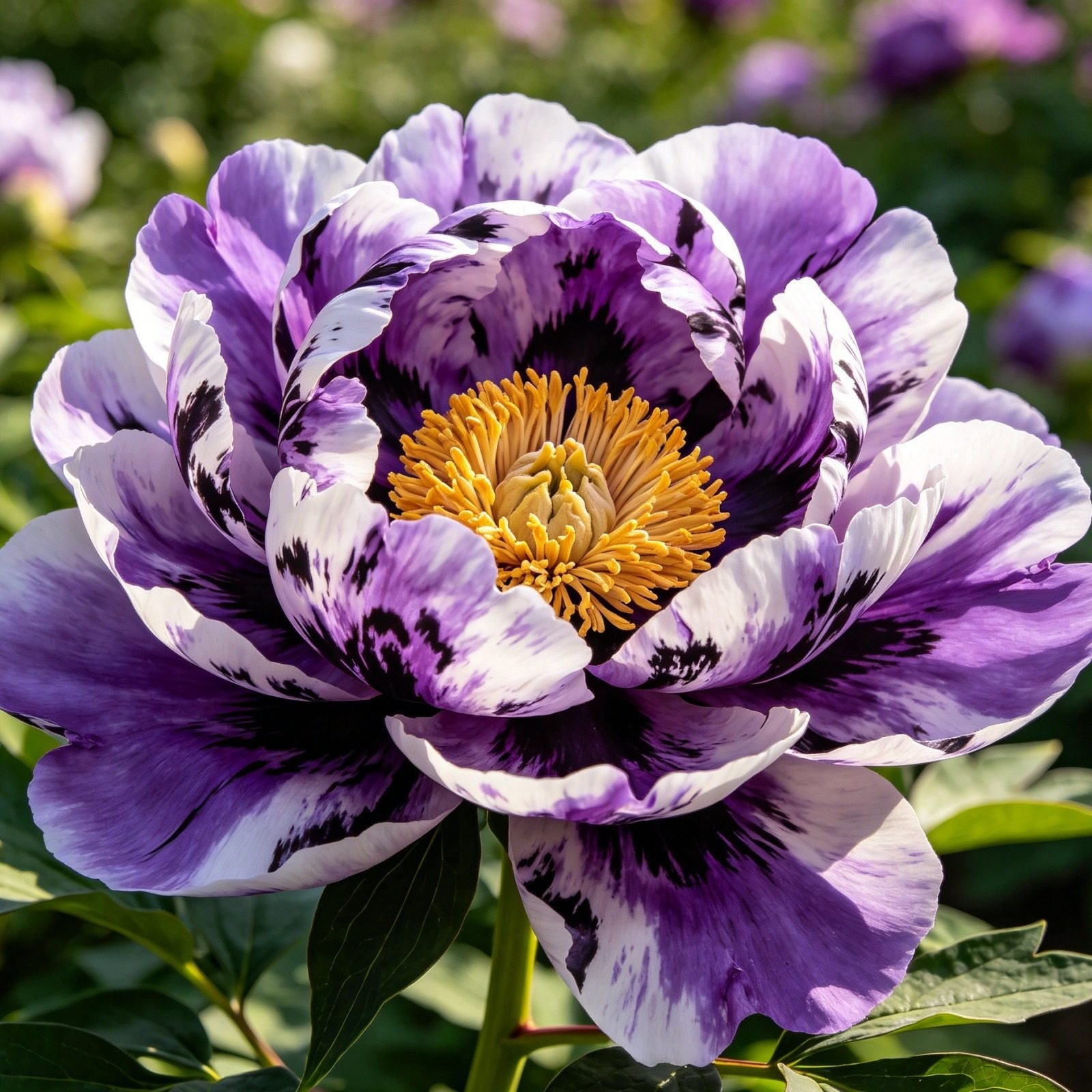
A peony that leafs out enthusiastically every spring and never produces a flower is the most common question we get. The plant is rarely dying. It is usually being told, by one of seven conditions, not to bother.
Work through these in order. In our experience the first two account for most cases.
1. It is planted too deep
This is the big one. Peony eyes need to sit 1 to 2 inches below the soil surface. At 3 inches or more the plant gets a muted cold signal, grows foliage happily, and skips flowering entirely.
Fix: dig beside the crown in late summer and feel for the eyes. If they are deeper than 2 inches, lift and reset the clump. Details in our peony planting depth guide.
2. It does not get enough sun
Six hours of direct sun is the minimum. Four hours keeps the plant alive and glossy and completely flowerless. This creeps up on people — a bed that was sunny when planted can be shaded ten years later by a maturing tree.
Fix: time the sun. Stand there in June with a coffee and count the hours of direct light. If it is under five, either prune the shade source or move the peony in autumn.
3. It is getting too much nitrogen
Lawn fertiliser, fresh manure and general-purpose garden feed all push leaf growth over flower production. A peony fed like a tomato will grow enormous and bloom never.
Fix: stop feeding. If you want to feed at all, use a low-nitrogen, high-phosphorus product once in early spring, or simply top-dress with compost in autumn and let the plant find its own level.
4. Late frost killed the buds
Peony buds are surprisingly tough, but a hard freeze — below 26°F — right as buds are swelling will turn them brown and crisp. You will see the damage: small, blackened, shrivelled buds that never open.
Fix: nothing this year. Next spring, watch the forecast and throw a frost blanket over the clump for the one or two dangerous nights. Choose later-flowering varieties if late frost is a recurring problem in your area.
5. It is simply too young
A division needs two to three years to settle before it blooms properly. A root planted last autumn giving you leaves and nothing else is behaving exactly as expected.
Fix: wait. Do not dig it up to check, do not feed it heavily, and do not move it. The third spring is usually the payoff.
6. It is losing the competition
Tree roots, lawn grass and aggressive perennials all take water and nutrients from the same soil. A peony ringed by mature trees will sit there for a decade without flowering.
Fix: clear a 2-foot radius around the crown, keep grass and groundcover out of it, and water deeply during dry spells — peonies are drought-tolerant once established but not while competing.
7. The clump is overcrowded
After 10–15 years a clump can become dense enough that old growth crowds out new eyes. Blooms get smaller and fewer, and the centre of the plant goes woody.
Fix: lift and divide in late summer. Replant divisions with two or three eyes each, at the correct depth, and give them space. This is the one time a peony benefits from being disturbed.
Quick diagnostic table
| What you see | Most likely cause |
|---|---|
| Healthy leaves, never a bud | Too deep, or too much shade |
| Buds form then turn black | Late frost |
| Huge plant, soft floppy growth | Excess nitrogen |
| Fewer flowers each year | Overcrowded clump |
| Leaves only, planted last autumn | Too young — normal |
One thing not to do
Do not cut the foliage back in July to tidy the bed. The leaves are manufacturing the energy that becomes next year’s buds. Leave them until they yellow and collapse in autumn, then cut to the ground.
If you are starting over, plant fresh roots at the right depth in autumn — our peony root collection ships dormant divisions ready for the fall window, from pale white anemone forms to saturated coral red.
